

Mail Us

Call Us
How to Choose the Best Bitcoin Casino in Canada 2026: A Complete Guide to Safe, Fast, and Rewarding Crypto Gambling
How to Choose the Best Bitcoin Casino in Canada 2026: A Complete Guide to Safe, Fast, and Rewarding Crypto Gambling

I've watched Canadian players change how they gamble online over the past couple of years, and honestly, the shift's been bigger than I expected. Slow bank transfers? Stiff withdrawal caps? People are done with that — they're moving to crypto instead. By 2026, Bitcoin casinos aren't some fringe experiment anymore. They're the mainstream pick for a growing chunk of players, mostly because they deliver what traditional platforms just can't: speed, privacy, and access that doesn't care what time zone you're in. But growth brings crowds, and crowds bring noise. Some of these new platforms are genuinely excellent. Others? Sketchy at best. Picking the right one comes down to understanding licensing, security protocols, game libraries, and the crypto-specific quirks that make these sites actually work. That's what I'm walking you through here — step by step, no fluff.
What Is a Bitcoin Casino and Why Canadians Are Switching
At its core, a Bitcoin casino is exactly what it sounds like: an online gambling site where you deposit and withdraw in BTC or other cryptocurrencies, often alongside regular fiat options like CAD. Some sites go crypto-only. Others run as hybrids, letting you bounce between a credit card and a crypto wallet depending on your mood that day.
So why the switch? A handful of reasons keep popping up in conversations I've had with other players — lower transaction fees, noticeably faster payouts, and the ability to verify game fairness yourself through blockchain-based systems. There's also less reliance on banks, which matters a lot if you've ever dealt with a frozen transaction or an e-transfer that took three days longer than it should've.
Crypto vs. Traditional Online Casinos
Line them up side by side and the gap is obvious. Traditional casinos often take one to five business days to process a withdrawal. Crypto casinos settle the same transaction in minutes. Anonymity differs too — fiat platforms want your full banking details, while crypto sites might just need a wallet address and minimal ID verification. And bonus structures? Usually more generous on crypto platforms, since lower overhead costs let operators actually pass savings back to players instead of pocketing them.
Is Bitcoin Gambling Legal in Canada?
This is probably the question I get asked the most. Canada's legal landscape here is a patchwork, not a clean rulebook. Most Canadians gamble online — crypto or otherwise — through platforms licensed offshore, since there's no single federal framework governing online casinos the way some other countries have. Provincial rules vary too. Ontario runs its own regulated market, while players elsewhere typically lean on internationally licensed sites instead.
The baseline I always check first is a valid international license — Curaçao, Malta, or another recognized authority will do. These licenses don't guarantee perfection (nothing does), but they mean the operator's agreed to certain standards around fund handling, dispute resolution, and fair play.
Key Factors to Evaluate When Choosing a Bitcoin Casino
Once legality's confirmed, the real work starts: figuring out which platform actually deserves your deposit. Here's what I check every single time.
Licensing, Security, and Provable Fairness
SSL encryption isn't optional. If a site doesn't have it, close the tab — don't think twice. Beyond that, check who issued the license and whether it's actually still active, not expired, not quietly revoked. The best crypto casinos also run provably fair algorithms, letting you independently verify that outcomes weren't rigged. It's a small technical detail, but it makes a massive difference in trust.
Supported Cryptocurrencies and Withdrawal Speed
Most reputable platforms support BTC, ETH, USDT, and LTC at minimum, with some branching into extra altcoins. But the coin list matters less than withdrawal speed and fee structure. A casino processing BTC withdrawals in under thirty minutes with minimal network fees is miles ahead of one that stretches payouts out for 'security review' purposes that never seem to actually end.
Game Selection, Bonuses, and User Experience
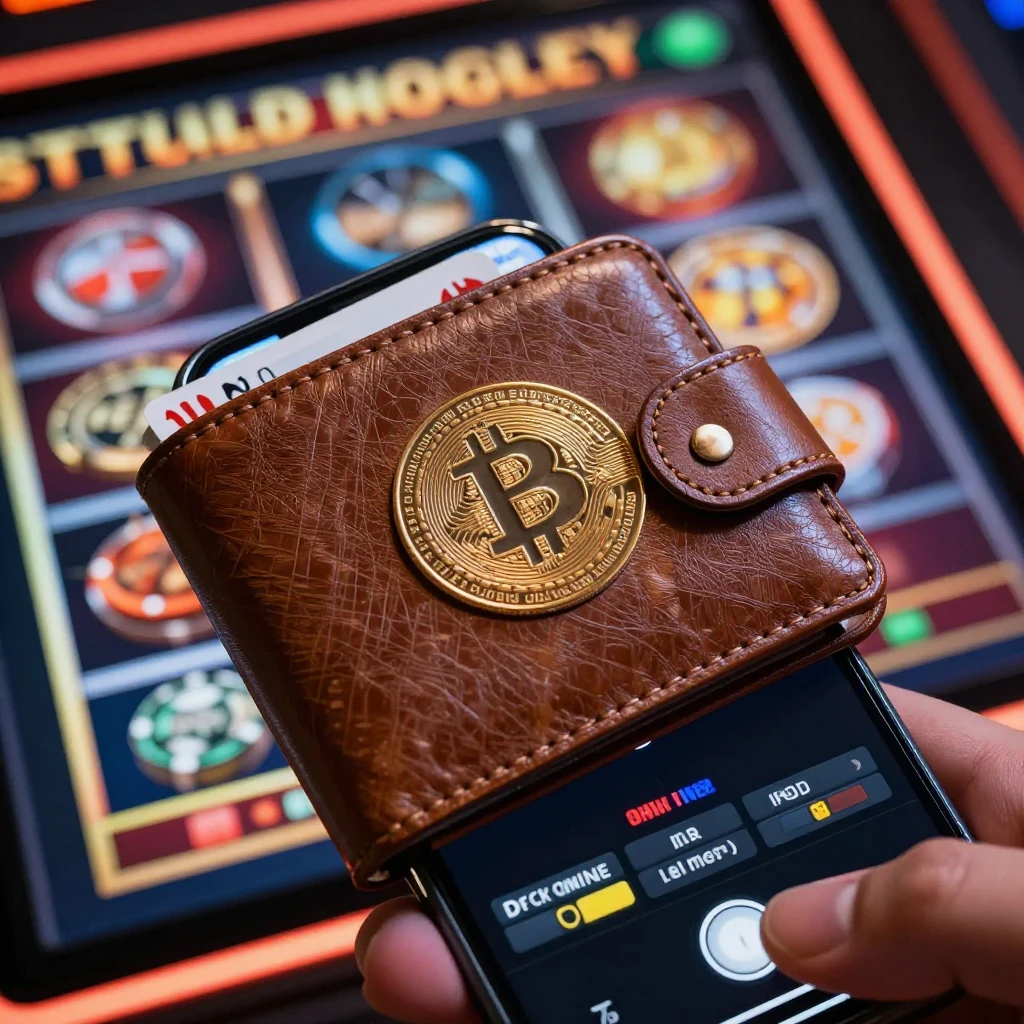
A great Bitcoin casino isn't just about fast payouts. It needs to feel good to actually play on, too. I pay close attention to the breadth of the slot library, the quality of the live dealer tables, and whether there are crypto-exclusive titles that actually use blockchain tech in a meaningful way. Welcome bonuses and VIP programs matter — but only when the terms are reasonable, not designed to trap your funds behind impossible wagering math.
Mobile compatibility's become essential, too. If a site isn't smooth on a phone browser in 2026, that tells you something about how much the operator actually invests in the overall experience. For Canadian players hunting for a well-rounded option, exploring platforms like best bitcoin casino gives a solid example of how crypto payments pair with a strong game library and a genuinely usable interface — that combination is what separates a top-tier site from one you'll forget by next week.
Customer Support, Transparency, and Responsible Gambling Tools
I can't stress this enough: 24/7 customer support isn't a luxury. It's the baseline. Problems with transactions or account access can hit at any hour, and a casino that leaves you waiting days for a reply doesn't deserve your trust — or your deposit. Transparency around wagering requirements and withdrawal limits matters just as much. The fine print should be easy to find and easy to understand, not buried under confusing legal jargon designed to wear you down.
Responsible gambling tools are another trust signal I always check for. Deposit limits, cool-off periods, self-exclusion options — these show an operator cares about player wellbeing, not just turnover numbers on a spreadsheet.
Common Mistakes to Avoid When Picking a Crypto Casino
- Ignoring or skipping license verification entirely
- Chasing bonuses that sound too good to be true
- Using wallets or coins the casino doesn't actually support
- Overlooking KYC/AML policies that affect future withdrawals
- Not reading withdrawal terms until after a problem arises
I've made a couple of these mistakes myself, early on. They're easy traps to fall into when you're itching to start playing. Slowing down for ten minutes of research saves a lot of frustration later — worth it, every time.
Final Checklist Before You Sign Up
- Verify the casino's license and its current status
- Confirm supported cryptocurrencies match what you plan to use
- Test customer support responsiveness before depositing
- Read bonus terms carefully, especially wagering requirements
- Check withdrawal speed and any limits that might apply
At the end of the day, choosing the best Bitcoin casino in Canada in 2026 comes down to balancing security, speed, game variety, and transparent policies. Don't skip any of that for flashy bonuses or slick marketing — it's not worth it. Run through the checklist above before you deposit a single satoshi. It's a small investment of effort, and it pays off in a safer, smoother, genuinely more rewarding crypto gambling experience.